This research analyzis the role of BUMDes and other multi-stakeholders in efforts to improve the welfare of farmers in rural areas. The research uses qualitative methods with explanation analysis techniques.
This research analyzis the role of BUMDes and other multi-stakeholders in efforts to improve the welfare of farmers in rural areas. The research uses qualitative methods with explanation analysis techniques.
This study analyzes the formal policy formulation processes of a new social forestry scheme in Indonesia called Izin Pemanfaatan Hutan Perhutanan Sosial (IPHPS)
The COVID-19 pandemic has caused a global multidimensional crisis, one of its impacts being the crisis on the informal economy. This paper presents a review of the effects of this pandemic on the informal economy, coupled with empirical evidence based on surveys conducted in Indonesia.
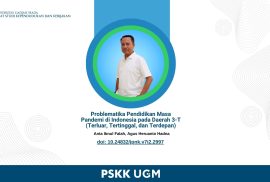
Penelitian ini mendeskripsikan permasalahan formal/utama pendidikan yang dihadapi siswa yang berada di daerah 3-T di masa pandemik dan mendiskusikan alternatif solusi untuk mengatasinya.
PSKK UGM – Pusat Studi Kependudukan dan Kebijakan (PSKK) UGM bekerja sama dengan Kabupaten Fakfak, Papua Barat dalam riset terkait pengentasan kemiskinan dan pengembangan potensi daerah.
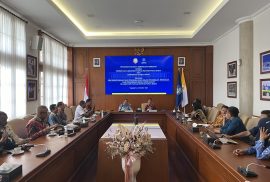
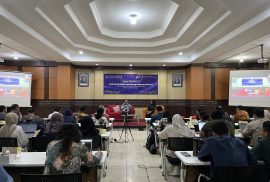
PSKK UGM – Magister dan Doktor Kepemimpinan dan Inovasi Kebijakan (MDKIK) UGM bekerja sama dengan Pusat Studi Kependudukan dan Kebijakan (PSKK) UGM menghadirkan Bupati Kabupaten Fakfak, Samaun Dahlan, S.Sos., M.A.P., dalam acara Bupati Talks bertajuk, […].
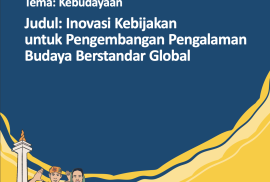
This research explores the development of global-standard cultural experiences in Jakarta, aiming to position the city as a world-class cultural destination through innovation-driven policy transformation. The study investigates how existing cultural development policies support international-level cultural experiences, identifies the types of innovations needed to enhance cultural appeal, and formulates a strategic roadmap rooted in the Penta helix model, integrating the roles of government, academia, industry, civil society, and media.
Generational resilience has become a critical focus in population studies, particularly in understanding how the welfare of children aged 0–17 influences long-term development outcomes. In Indonesia, despite progress, child poverty remains high—with 40.9 per cent of children living below the poverty line in 2022—affecting their access to essential services such as nutrition, health, education, housing, and identity documentation. These conditions pose both physical and psychological risks and may perpetuate cycles of poverty.